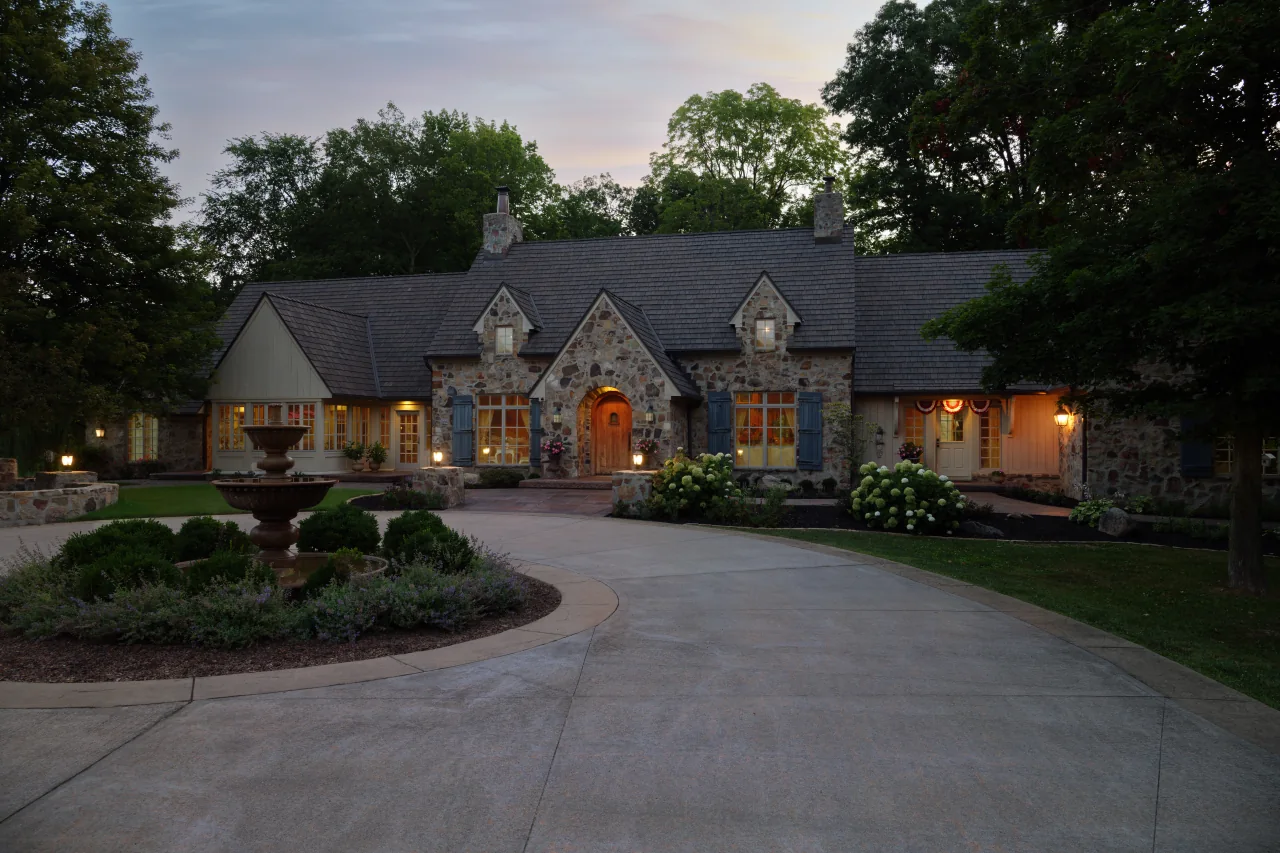
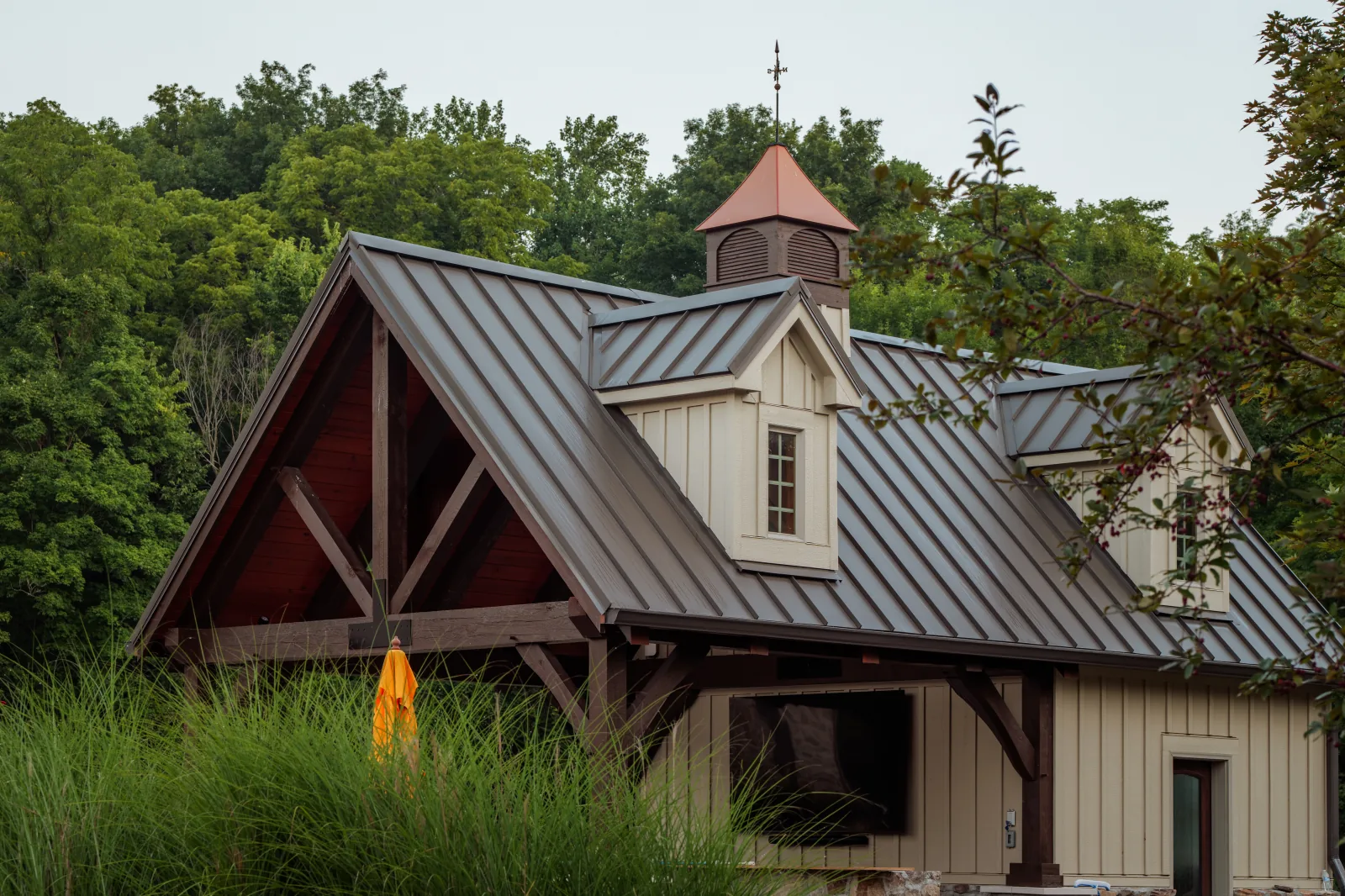
Standing-seam metal roof on a Locke & Ladder pool-house project in Zionsville, Indiana

Locke & Ladder / Metal roofing

Metal roofing,
from every angle.

The look. The material. The work behind it.
Explore the details that shape a metal roof, and see what they mean for its price.

Our work: a standing-seam pool house in Zionsville, Indiana ↗

01 / Start wherever you are

What are you really buying with a metal roof?

A material is only part of the answer. The panel system, finish, proportions and installation all influence the roof you see, and the price you pay.

New to the terminology? Read the illustrated basics.
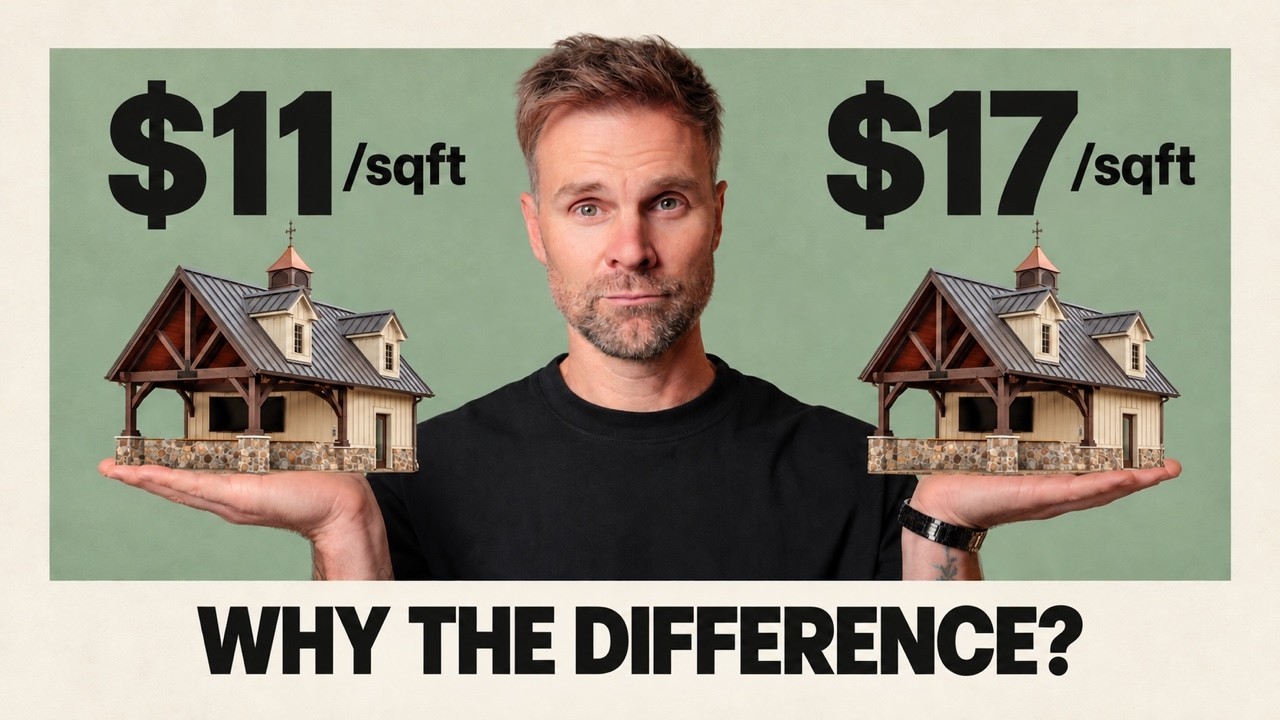
The video includes historical project prices and Jon’s product preferences. The estimator below has its own dated assumptions. Use the chapter links to jump to a question, or keep reading for the illustrated explanation.

03 / A useful distinction

Standing seam and “barn metal” are different systems.

Both can be made of steel. The visible seams and the way the panels attach are different. A price comparison should identify which system it describes.

Standing seam

The attachments sit beneath the panels.

Conceptual illustration of raised standing seams with concealed panel attachmentsRaised seamConcealed attachments

The vertical seams give the roof its rhythm and shadow lines. Clips or concealed fastening flanges secure the panels, depending on the system. Trim and transitions still need their own attachment details.

Exposed fasteners

The screws pass through the panel face.

Conceptual illustration of exposed fasteners passing through a ribbed metal roof panelVisible fastenerScrews through the panel face

Common on agricultural buildings, these panels use exposed screws and sealing washers. Their detailing and maintenance needs differ from standing seam. The barn in our estimator is labeled separately for that reason.

Attachment illustrations are conceptual, not installation drawings. Profiles, fastening locations and tested assemblies vary by manufacturer.

Keep these three
  • The metal is the material.
  • The seam and attachment define the system.
  • The finish is another choice.
A roofing square
100 square feet of roof surface. Ten squares means 1,000 square feet.
Steel gauge
A thickness designation. A lower gauge number generally means thicker steel.
SMP / PVDF
Families of paint coatings. Product-specific performance and warranty terms matter.
Oil canning
Visible waviness in a metal panel’s flat surface. It is not automatically a leak or roof failure.

04 / Where the price changes

One roof. Several decisions behind the number.

Two metal roofs can look similar from the street and differ in material, finish and the work needed to install them.

01 / THE METAL

Conceptual layers beneath a metal roofA raised metal panel above a separate underlayment layer and supporting roof deck. The illustration separates layers to explain their roles and is not an installation specification.

Thickness is one part of the system.

Gauge describes thickness. The profile, supports and attachments determine how that panel works as a roof.

Conceptual illustration. Layers are separated for explanation.

01 / GAUGE & PANEL PROFILE

What does a thicker panel change?

For steel, 24 gauge is generally thicker than 26 gauge. Thickness can affect price, handling and visible panel waviness. It does not, by itself, tell you how the roof will perform in wind, snow or hail.

The panel profile, its supports, attachments and tested assembly also matter. Nominal gauge is a starting point; the specified decimal thickness is more precise.

  • Lower gauge number, thicker steel.
  • Compare the same panel system.
  • Use the manufacturer’s assembly information.
Jon explains gauge · 03:14 ↗

02 / COATING, COLOR & WIDTH

The color is more than a swatch.

SMP and PVDF describe different coating families. A product’s resistance to fading, chalking and scratching, and the warranty covering those changes, deserve separate attention.

Standard colors, specialty finishes and panel widths can carry different prices. A narrower panel changes the rhythm of the roof and requires more panels and seams across the same area.

  • Name the coating product.
  • Read chalk and fade coverage.
  • See the width on an actual roof.
Jon explains finishes · 04:33 ↗

03 / WHAT SITS UNDERNEATH

Different layers have different jobs.

The metal sheds water. Underlayment adds a layer beneath it. The deck supports the assembly. Insulation, air sealing and the ventilation design influence how heat and moisture behave.

Some assemblies use additional separation or ventilation products. Their usefulness depends on the roof and the specified system. An upgrade should have an identifiable purpose, not just a premium label.

  • Identify the actual underlayment.
  • Understand the moisture-control design.
  • Ask what each additional layer does.
Jon explains the layers · 05:54 ↗

04 / GEOMETRY, TRIM & CRAFT

A square foot is not a unit of difficulty.

A simple gable and a roof with dormers, valleys and multiple intersections can have the same area. They do not require the same cutting, flashing, fabrication or installation time.

Steepness, access, tear-off, trim profiles and snow-retention requirements can also change the work. These are reasons an area-based model can differ from a written proposal.

  • Roof shape affects fabrication.
  • Trim changes appearance and detailing.
  • Access and installation affect labor.
Jon explains complexity · 08:36 ↗
SMP or PVDF: what should you compare?
QuestionSMPPVDF
What is it?Silicone-modified polyester coating.Polyvinylidene fluoride resin coating. Kynar is a resin brand associated with this family.
What matters?The specific product’s chalk, fade, hardness and flexibility performance.The same product-specific factors, including how the finish is formulated and applied.
What does Jon prefer?He discusses SMP as an option and asks buyers to examine chalking coverage.He describes a preference for PVDF finishes for chalk resistance. That preference is not a universal warranty claim.
What should I request?The coating name, color sample, and actual written warranty. Compare color change, chalking and film integrity separately.

Technical comparison: Sherwin-Williams metal coating guide ↗. Use the warranty for the product being proposed.

05 / Our work, in context

A whole roof.
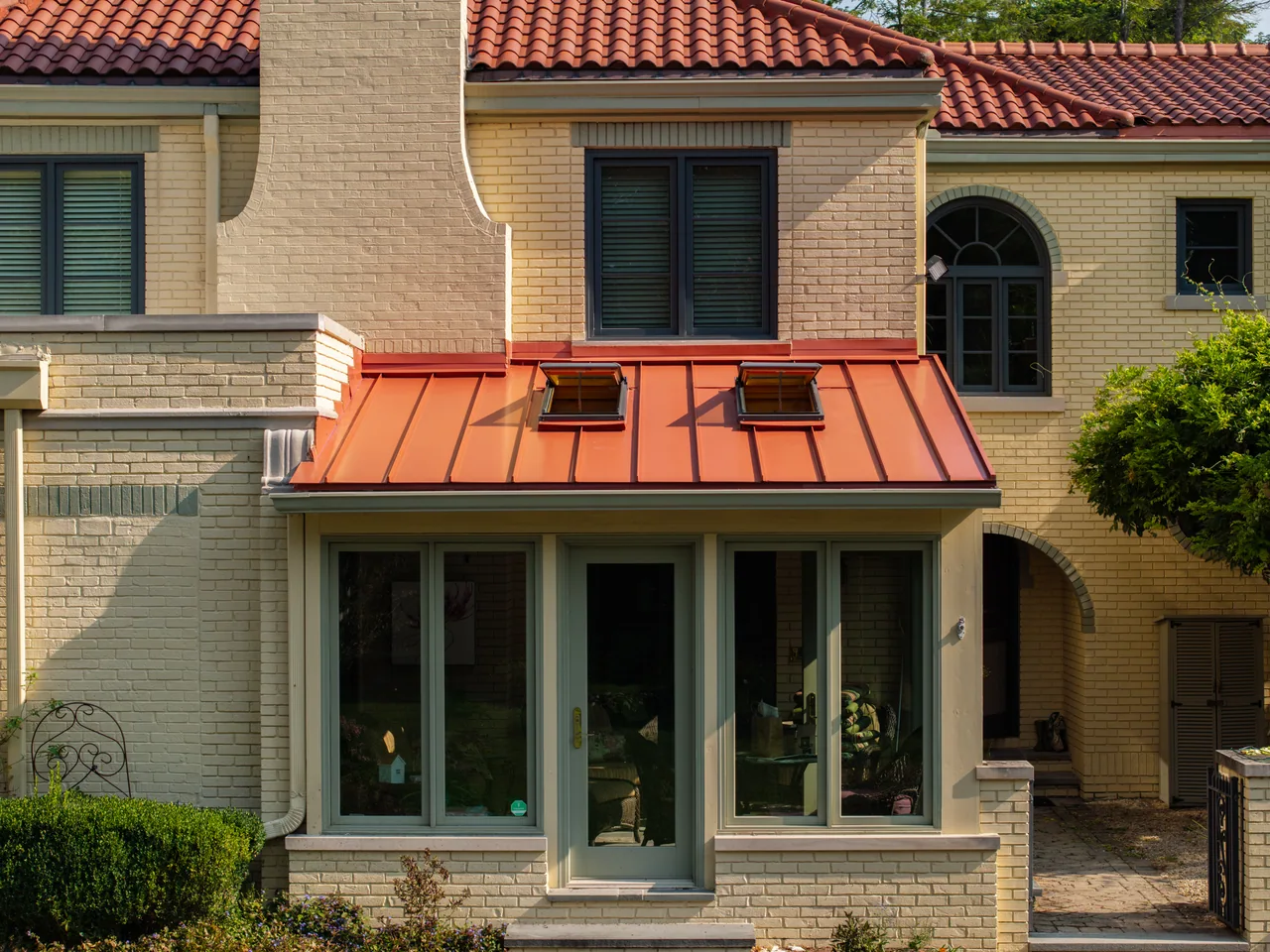
A porch. A different point of view.

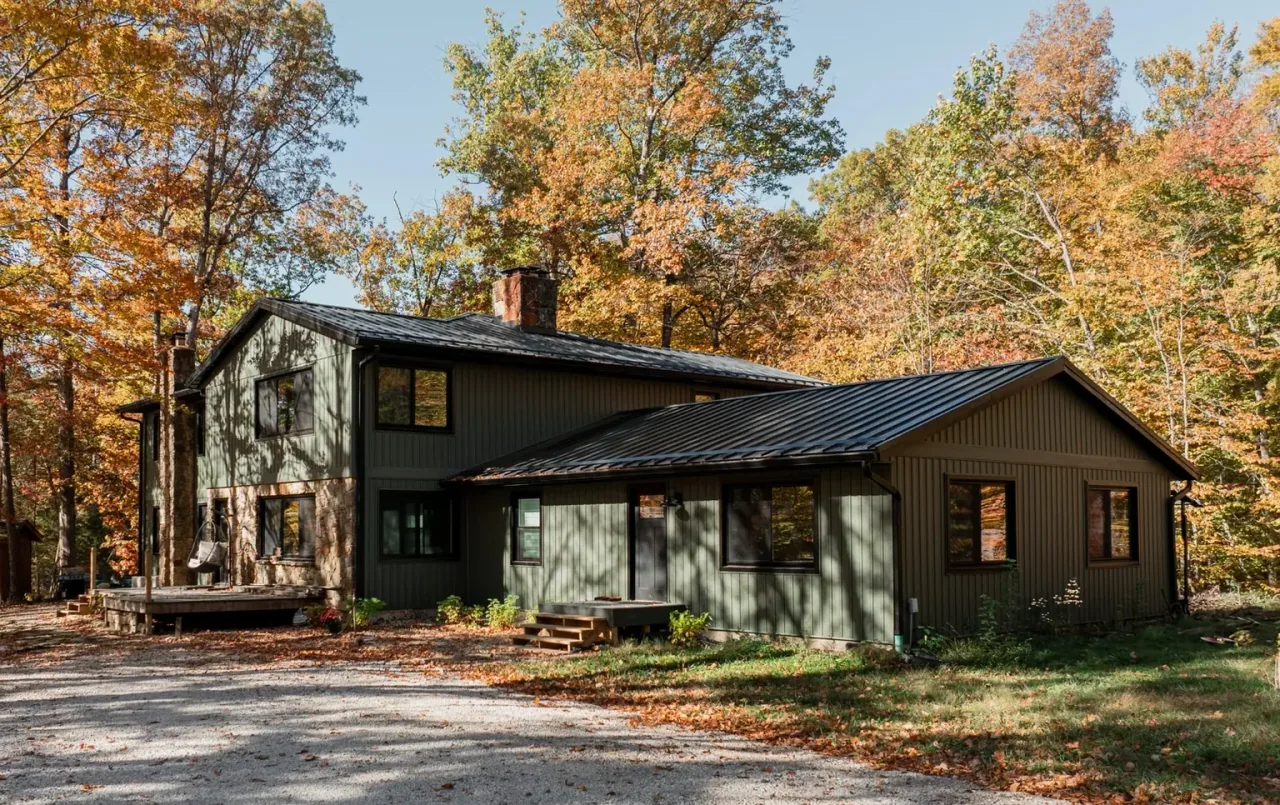
Metal can define the house or give one part of it a distinct character. These are completed Locke & Ladder installations.

06 / The questions worth asking

What can disappoint you about a metal roof?

A useful comparison includes the compromises. Appearance, maintenance and installation requirements deserve as much attention as the finished photographs.

01

Expecting perfectly flat panels in every light.

Oil canning is visible waviness in the flat areas of a panel. Lighting and viewing angle can make it more noticeable. Panel choices and installation can reduce its appearance, but no general promise eliminates it.

What should I ask?

Ask to see the proposed panel profile on a finished roof in daylight. Discuss flat pans, striations, width, thickness and the manufacturer’s appearance guidance.

02

Treating a long warranty as one promise.

Finish coverage can distinguish fading, chalking and film integrity. The panel, coating and installation can have different warranties and exclusions. A large year count does not explain all of them.

What should I ask?

Request the written coverage for the specified panel and finish. Identify who provides each warranty and what the document says about appearance, installation and maintenance.

03

Assuming any metal roof can go over shingles.

Recover systems exist, but that does not make every roof a candidate. The existing assembly, deck, attachment, moisture design, manufacturer instructions and local requirements all matter.

What should I ask?

Ask which tested or specified recover system is proposed and why it fits the building. A purpose-designed example is McElroy’s 138T shingle-recover system; its details are not permission to improvise another assembly.

04

Buying an appearance without understanding its upkeep.

Exposed fasteners, sealants, flashings and roof penetrations each have maintenance considerations. Standing seam conceals panel attachments; it does not turn a roof into a maintenance-free or leak-proof object.

What should I ask?

Ask for the manufacturer’s maintenance guidance and the installation details at walls, chimneys, valleys and penetrations. Those are part of the roof you are buying.

Keep these four
  • Look at the actual panel.
  • Read the specific warranty.
  • Identify the assembly.
  • Understand its maintenance.

08 / Bring it all together

Four things to carry into the conversation.

01

The system

Material, panel profile and how it attaches to the roof.

02

The appearance

Width, color, finish, trim and how metal meets the other materials.

03

The installation

Roof layers, moisture control, intersections and the craft behind the details.

04

The price

The measured area, what is included, and the date and assumptions behind the number.

A few more questions

What else would you like to know?

Is metal roofing always the best choice?

No. Its initial cost, appearance and installation requirements may not suit the project. A small accent roof and a whole-house replacement also involve different decisions. Compare metal with the materials you actually like, using the proposed assembly, price and maintenance expectations rather than a universal ranking.

Does a metal roof have to cover the whole house?

No. Our documented work includes metal porches and pool houses alongside other roofing materials. The Zionsville project combines Brava composite cedar with standing-seam metal. The Meridian Hills project uses Terra Cotta metal on the porch and a small rear section.

Is a metal roof noisy in the rain?

The complete assembly matters. A bare panel over an open structure is different from metal installed over a deck with underlayment, insulation and an interior ceiling. Ask about the actual assembly and its sound-control details rather than assuming all metal roofs sound the same.

How long will a metal roof last?

There is no single defensible lifespan for every metal roof. Material, finish, exposure, installation and maintenance differ. Warranty length is also different from service life. Ask for the manufacturer’s documentation for the particular system and the maintenance it requires.

Can I use my home’s square footage in the estimator?

Use roof surface area. Floor area does not account for roof slope, multiple stories, overhangs or separate roof sections. If you do not know the measured area, use the five examples to explore price differences without treating the result as a measurement of your home.

Are copper and zinc included in this estimator?

No. Jon discusses copper and zinc in the video, but this estimator models the listed steel options. The materials have different costs and fabrication requirements. Request a project-specific proposal for a specialty metal rather than applying a steel rate to it.

Sources and pricing basis

Page prepared October 26, 2026. Jon Strand’s video provides the company’s perspective. Technical explanations draw on the sources below. Project photographs link to their records. The estimator is a dated illustrative model, not a current quote or a history of what the pictured clients paid.

Manufacturer references explain particular products or systems. Their inclusion is not a claim that those products were installed on every photographed project.