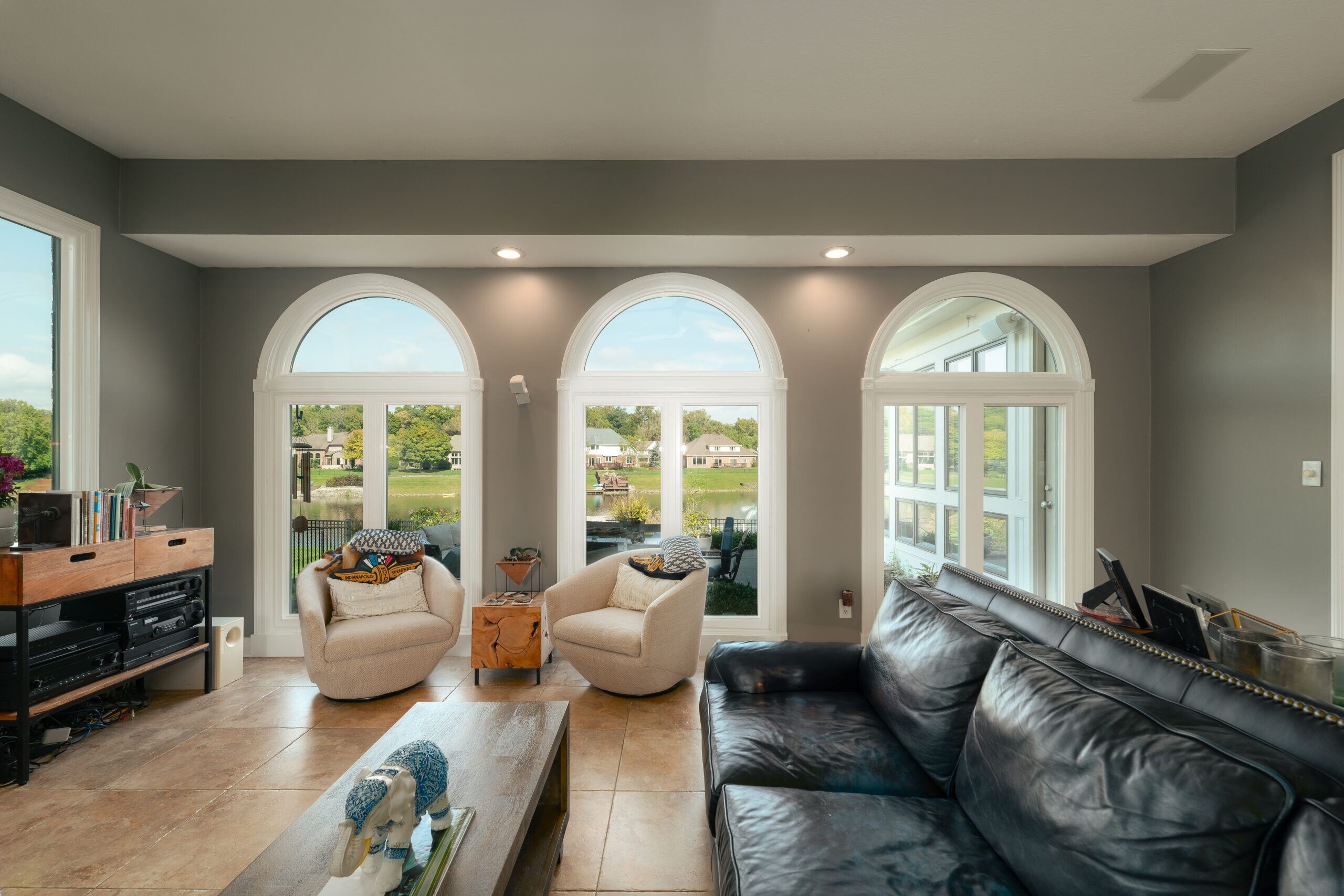
One early decision shapes the scope: insert or full-frame. It affects trim, installed cost, schedule, glass area, exterior water management, and how much of the wall gets opened.
Choose the method from the documented condition of the frame, sill, flashing, trim, and surrounding wall—not from the window brand alone.
Quick answer: insert vs full-frame
Insert replacement puts a new window unit inside the existing frame. It is usually right when the frame is square, dry, structurally sound, and worth keeping.
Full-frame replacement removes the old window down to the rough opening. It is usually right when there is rot, water staining, failed flashing, out-of-square geometry, bad past work, or a reason to rebuild the trim and water management from the wall out.
| Method | Best fit | Watch-out | Locke & Ladder take |
|---|---|---|---|
| Insert | Healthy frames, original trim worth preserving, same size and style, controlled disruption. | Can slightly reduce glass area and cannot fix hidden rot or bad exterior water details. | Excellent when the old frame has earned the right to stay. |
| Full-frame | Rot, failed flashing, water intrusion, crooked openings, style changes, siding work, major envelope upgrades. | More carpentry, more disruption, more cost, and more decisions around trim and exterior finish. | The cleaner long-term answer when the opening itself needs correcting. |
What actually gets removed?
With an insert, the old sash comes out and the new unit is set into the existing frame. Interior casing usually stays. Exterior trim usually stays. The job can move faster and preserve details that belong to the house.
With full-frame replacement, the window comes out to the rough opening. That lets the installer inspect and rebuild the sill area, insulation, air seal, flashing, and trim package. The U.S. Department of Energy's Building America guide to complete window replacement describes removal of the sash and frame to the rough framing and emphasizes diagnosing water and air infiltration before choosing the repair strategy.
That is the difference. Insert replacement respects a good existing opening. Full-frame replacement repairs or rebuilds an opening that can no longer be trusted.
The opening tells the truth
Before anyone argues brand, frame material, or glass package, look at the opening.
- Sill condition: Softness, cracking, staining, or paint failure can point to water trouble.
- Frame geometry: A unit that is out of square can make a new insert fight the old problem.
- Interior staining: Marks below the window, peeling paint, or damaged flooring may mean water is moving through the assembly.
- Exterior trim: Rotted casing, bad caulk joints, or missing head flashing can make a new window inherit old failure.
- Glass area: Inserts can reduce visible glass slightly. Sometimes it is barely noticeable. Sometimes it changes the room.
- Original trim: Preserving existing casing can be the right architectural decision when the frame and water-management details are sound.
Comfort depends on the whole opening
A U.S. Department of Energy Building America measure guide attributes 25% to 30% of residential heating and cooling energy use to heat gain and loss through windows. That is a system-level figure, not a savings promise for replacing one window or one house.
Comfort comes from several pieces working together:
- Air sealing: The perimeter has to be sealed correctly, or the window will feel drafty no matter what the brochure says.
- Glass package: Low-E coatings, gas fills, spacers, and double- or triple-pane options change comfort, glare, sound, and condensation behavior.
- Whole-unit ratings: Compare U-factor, SHGC, air leakage, and visible transmittance on the NFRC label for the exact unit.
- Installation method: The best window still needs flashing and air sealing that match the wall.
- Room exposure: West-facing large glass and a shaded smaller opening can require different glass packages.
That is why the insert/full-frame decision should happen alongside the glass-package conversation. A full-frame install with the wrong glass can still disappoint. A good insert with the right glass can change a room.
What changes visually?
Window proportions are visible inside and outside. A unit can test well and still look wrong if the sightlines, grille pattern, trim depth, or exterior profile do not belong on the house.
Insert replacement can reduce visible glass because the new unit sits inside the existing frame. On a large opening, that may not matter. On a narrower opening, a historic elevation, or a room where daylight is already limited, it can matter a lot.
Full-frame gives more control over placement, trim, and proportions, but it also creates more finish decisions. Interior casing, stool, apron, exterior casing, cladding, masonry returns, and paint touch-up all need to be accounted for. If the quote does not name those items, the finish scope is incomplete.
The decision framework
Use this before you sign:
- Prove the frame. If the frame, sill, and casing are healthy, insert stays on the table.
- Trace the water. If there is staining, rot, failed caulk, or suspect flashing, diagnose it before choosing the method.
- Protect the architecture. Decide whether the existing trim should be preserved, rebuilt, or improved.
- Choose the glass package. U-factor, SHGC, air leakage, sound, glare, and condensation resistance matter more than the frame debate on some homes.
- Name the finish work. Interior trim, exterior trim, paint, masonry, siding, and cleanup should be part of the written scope.